

Most people plan a safari by choosing a park, then a lodge, then a vehicle, and hoping the pieces fit together. A Serengeti safari and stay approach flips this around. Instead of treating the drives and the accommodation as separate bookings, you plan them as one experience, with the place you sleep chosen to shape the wildlife you see, the time you save, and the atmosphere you come home with. In a park of nearly 15,000 square kilometres, where a wrong base can cost hours of driving each day, this matters more than most travellers expect. This guide explains how safari and stay trips work, how to choose a base, what a typical day looks like, and how to plan a stay that feels seamless.
What “Safari and Stay” Really Means
A safari and stay trip pairs guided wildlife activities with accommodation inside or close to the park, so your daily rhythm is built around the animals rather than around transfers. The core idea is simple: sleep where the wildlife is, and let the camp or lodge become part of the adventure rather than a place you rush back to.
This can take several forms. Some travellers book a complete package that bundles game drives, meals, park fees, and accommodation. Others stay at a camp and arrange drives through the property or a trusted operator. Either way, the principle holds: your base and your safari activities should work together.
Why Your Choice of Base Matters
The Serengeti is not a single destination but a collection of distinct regions, each with its own landscape and wildlife patterns. Driving between them can take several hours, so where you stay largely determines what you see.
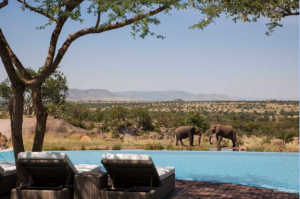
Staying inside the park puts you at the edge of the action at dawn and dusk, when predators are most active and light is at its best. It also reduces the dusty drives that eat into your day. A camp located in a quiet corner can offer something equally valuable: space. With fewer vehicles at sightings and fewer people at meals, the experience feels personal rather than crowded.
When comparing options, consider these questions:
- How far is the camp from the areas you most want to explore?
- Is the property inside the park or outside the boundary?
- What is the atmosphere, intimate and quiet or busy and social?
- Are game drives, meals, and park fees included in the rate?
- How does the camp support local communities and conservation?
Choosing Between Lodges and Tented Camps
The style of accommodation shapes your stay as much as its location.
Lodges typically offer more rooms, larger public areas, and a wider range of facilities. They suit travellers who enjoy resort-style comfort and a variety of dining and lounge spaces.
Tented camps use canvas suites set on raised platforms or solid bases, furnished with proper beds and private bathrooms. They are usually smaller, more intimate, and closer to the sounds of the bush. For many travellers, falling asleep to distant wildlife calls is the highlight of the whole trip.
Mobile or seasonal camps move with the herds, which puts you near the Great Migration at specific times of year but may offer simpler facilities.
If your priority is atmosphere and a sense of place, a tented camp is hard to beat. If you want extensive amenities, a lodge may suit you better. Neither is automatically superior; the right choice depends on your travel style.
A Typical Day on a Serengeti Safari and Stay
Understanding the daily rhythm helps you plan realistically.
Early morning. The day often begins before sunrise with tea or coffee and a light snack, then an early game drive. Predators are active, temperatures are cool, and the golden light is superb for photography.
Mid-morning. Many guests return to camp for a full breakfast, or enjoy a bush breakfast on the plains. Breakfast is often included in the nightly rate at many camps.
Midday. The heat builds and wildlife rests. This is the time to relax at camp, read, write up notes, or enjoy lunch in the shade. Some operators offer full-day drives with picnic lunches, which suit travellers who prefer to stay out longer.
Late afternoon. A second game drive follows as animals become active again, often ending with sunset over the plains.
Evening. Back at camp, you can unwind with a drink, share stories, and enjoy dinner in an open-air dining area. Night skies in the Serengeti are exceptional, with stars that city dwellers rarely see.
This pattern gives you two prime viewing windows while leaving space for rest, which makes a multi-day stay far more enjoyable than a rushed schedule.
How Many Nights Should You Stay?
Time is the most valuable ingredient. A single night barely scratches the surface, while a longer stay lets you settle in, learn the landscape, and let chance work in your favour.
- Two nights: A taste of the Serengeti, best for travellers with limited time who are combining it with other parks.
- Three to four nights: The sweet spot for most visitors, allowing several game drives and a relaxed pace.
- Five nights or more: Ideal for photographers, wildlife enthusiasts, and those who want to explore more than one region or follow the migration.
Splitting your stay between two bases, for example one in the central or southern Serengeti and another in the north or west, can add variety, though it also adds travel time. Many travellers find that fewer, longer stays work better than frequent moves.
Matching Your Stay to the Season
The Serengeti rewards visits every month, but conditions change.
- June to October (dry season): Excellent game viewing and the famous northern river crossings. Peak demand means higher rates and earlier booking.
- November to December: Short rains bring green scenery, migratory birds, and lighter crowds.
- January to March: Calving season in the southern plains, with abundant predators and photogenic landscapes.
- April to May: The long rains produce lush views, quiet roads, and attractive rates, though some camps close and roads can be difficult.
Check which camps remain open in your chosen month, and ask how the property adapts to seasonal conditions.
What a Good Camp Stay Should Include
When comparing accommodation, look beyond the photographs. Practical details determine your comfort.
- Room options: Single, double, triple, and family layouts make group travel easier.
- Meals: Quality food, ideally with dining in an open-air setting, and the ability to cater for dietary needs.
- Connectivity: Free Wi-Fi in rooms and common areas is useful, but confirm it before you book, as connections in remote areas vary.
- Service: Attentive, knowledgeable staff turn a good stay into an excellent one.
- Reservations support: Responsive communication before arrival reduces stress.
- Sustainability: Credible practices around waste, water, energy, and local employment.
Serengeti House of Nature offers a useful example of these elements working together. The tented camp sits in the Ikoma region of the Serengeti, with standard single, double, triple, and family tented suites, free Wi-Fi in rooms and common areas, breakfast included, and 24/7 reservations support. Its published rates start from roughly $220 to $235 per night depending on room type, though prices change by season, so always confirm the current rate directly before booking.
Adding Culture to Your Stay
A strong safari and stay experience goes beyond wildlife. Cultural encounters give context to the landscape you are exploring. Visiting a Maasai community, learning about traditional life, and understanding how people and wildlife coexist add a human dimension that game drives alone cannot provide. Choose experiences that are community-led, transparent about fees, and respectful of local customs, and choose accommodation that builds genuine relationships with its neighbours.
Combining the Serengeti With Other Destinations
The Serengeti pairs naturally with other Tanzanian highlights. A common route travels from Arusha through Tarangire or Lake Manyara, continues to the Ngorongoro Crater, and then reaches the Serengeti. Adding a Kilimanjaro climb beforehand or a Zanzibar beach stay afterward creates a complete journey of adventure and relaxation. A local operator, such as Sumbi Extra Miles Safari in Arusha, can design these combinations and coordinate transfers, guides, and accommodation so every part of the trip connects smoothly.
Practical Tips for a Smooth Stay
- Book early for peak months and Christmas.
- Confirm inclusions such as meals, drinks, game drives, laundry, and park fees.
- Pack in layers. Mornings and nights can be cool, while midday is warm.
- Carry essentials: binoculars, sunscreen, a hat, a camera, spare batteries, and any personal medication.
- Respect safety guidance. Follow staff instructions, especially after dark.
- Allow flexibility. Wildlife keeps its own schedule, and the best moments are often unplanned.
Conclusion
A Serengeti safari and stay works best when the two halves are planned together. Your base determines how much time you spend with the wildlife, how peaceful your evenings feel, and how deeply you connect with the landscape. Choose a location that matches your interests, an accommodation style that suits your comfort level, and a length of stay that gives the Serengeti room to surprise you. With thoughtful planning and the right local partner, a safari and stay becomes more than a trip. It becomes a rhythm of early starts, golden light, starlit dinners, and quiet mornings that stays with you long after you leave the plains.
Key Takeaways
- A safari and stay trip plans game drives and accommodation together, so your base supports your wildlife goals.
- The Serengeti is vast, and where you stay largely determines what you see and how much time you spend driving.
- Tented camps offer intimacy and immersion, while lodges offer more facilities.
- Three to four nights suits most travellers, and five or more suits enthusiasts.
- Seasons shape the experience, from calving in the south to river crossings in the north.
- Check room types, meals, Wi-Fi, service, and sustainability when comparing camps.
- Confirm current rates and inclusions in writing before booking.
Frequently Asked Questions
What is a Serengeti safari and stay?
It is a trip that combines guided wildlife activities with accommodation inside or near Serengeti National Park, planned together so your base supports your game drives.
How many nights should I stay in the Serengeti?
Three to four nights works well for most travellers. Longer stays of five nights or more allow deeper exploration and more flexibility.
Is it better to stay inside the park?
Staying inside or very close to the park saves driving time and puts you near wildlife at dawn and dusk, though quieter camps just outside certain areas can also offer excellent value and peace.
Should I choose a lodge or a tented camp?
Lodges offer more facilities, while tented camps provide a more immersive and intimate experience. Both can deliver high standards of comfort.
Are meals and game drives included?
It varies. Many camps include breakfast, while full board and game drives may be part of a package. Always confirm inclusions in writing.
When is the best time for a Serengeti safari and stay?
June to October suits dry-season viewing and river crossings, January to March suits calving season, and the green months offer quieter conditions and lower rates.
Are Serengeti camps suitable for families?
Many are. Look for family room options and child-friendly policies, and check age requirements for activities before booking.
How far in advance should I book?
For June to October and the Christmas period, book several months ahead. Off-peak travel can often be arranged with shorter notice.