

Selecting Tanzania safari packages requires navigating a complex marketplace where price tags don’t always reflect true value and marketing promises sometimes exceed actual delivery. The safari industry has evolved into a sophisticated ecosystem offering everything from bare-bones camping adventures to extravagant luxury expeditions, each claiming to provide unforgettable wildlife experiences. Understanding the fundamental differences between package types, recognizing quality indicators beyond glossy brochures, and matching offerings to your personal circumstances ensures your safari investment delivers experiences worth both the financial commitment and the journey to East Africa.
Anatomy of Safari Package Design
Modern Tanzania safari packages follow architectural frameworks that integrate transportation, accommodation, guiding, meals, and park access into unified offerings. The transportation element extends beyond simple vehicle provision to encompass mechanical reliability, viewing optimization, and passenger comfort during extended daily drives. Superior packages utilize Land Cruisers or Land Rovers specifically configured for safari with extended roofs enabling standing observation, reinforced suspension absorbing rough terrain impacts, and expansive window configurations providing unobstructed animal viewing from every seat position.
The accommodation component divides into distinct categories serving different traveler segments. Camping packages range from basic public campsites with pit toilets and cold water to exclusive mobile camps with proper beds and en-suite facilities that relocate seasonally following wildlife movements. Lodge packages span simple budget establishments offering functional shelter to upscale properties featuring architectural distinction, exceptional dining, and impressive amenities. Tented camps occupy middle territory, providing canvas accommodations elevated on platforms with varying luxury levels from rustic authenticity to opulent refinement with wooden floors, fine linens, and gourmet cuisine.
Park fees and conservation levies constitute substantial package cost components, particularly for premium northern circuit destinations. Serengeti park fees exceed $80 per person daily, while Ngorongoro Crater charges additional crater descent fees approaching $300 per vehicle. These mandatory costs establish baseline package pricing floors that legitimate operators cannot undercut without excluding parks or employing questionable practices. Understanding fee structures helps evaluate whether attractively priced packages represent genuine value or hide exclusions that emerge as surprise charges during safaris.
Geographic Package Frameworks
Northern Tanzania’s established safari corridor generates the majority of package bookings due to its concentration of world-famous destinations within accessible distances. This region’s dominance stems from legitimate advantages including year-round wildlife reliability, diverse ecosystem representation across short distances, accommodation options spanning all budget categories, and mature tourism infrastructure supporting consistent service delivery. Packages focusing exclusively on the northern circuit typically combine two to three Serengeti nights with Ngorongoro Crater, Tarangire, and sometimes Lake Manyara, creating comprehensive wildlife exposure within five to eight-day timeframes.
Southern Tanzania’s wilderness areas attract adventurous travelers seeking authentic remoteness beyond crowded northern destinations. Ruaha National Park provides exceptional predator viewing with massive lion prides, leopard populations, and significant wild dog presence amid striking baobab landscapes. Nyerere National Park offers unique boat safaris along river systems teeming with hippos and crocodiles alongside traditional vehicle drives. Southern packages typically involve charter flights due to prohibitive overland distances, adding approximately $400-600 per person to costs while eliminating exhausting multi-day drives and providing dramatic aerial wildlife perspectives.
Western Tanzania’s remote parks create ultra-exclusive opportunities for committed wildlife enthusiasts willing to invest substantial resources for unique experiences. Katavi National Park delivers astonishing wildlife concentrations during peak dry season with minimal human presence, creating feelings of genuine discovery increasingly rare in modern safaris. Gombe Stream and Mahale Mountains provide forest chimpanzee encounters requiring boat access across Lake Tanganyika followed by steep forest treks. Western circuit packages demand accepting rudimentary infrastructure, complex logistics, and premium pricing in exchange for unparalleled remoteness and primate experiences distinguishing them from standard savanna safaris.
Investment Tiers and Value Propositions
Budget safari packages priced $200-300 per person daily democratize access to Tanzania’s wildlife through camping accommodations, shared vehicles, basic meals, and standard guide services. These packages prove that extraordinary wildlife encounters don’t require luxury spending, with many budget travelers reporting more authentic experiences sleeping in tents hearing nocturnal animal sounds than isolated lodge guests. The economic tier enables longer safari durations within fixed budgets, increasing overall wildlife encounter probabilities through extended time in productive areas. Budget packages particularly suit younger travelers, gap year adventurers, and families willing to prioritize experience over comfort.
Mid-range packages spanning $450-850 daily represent optimal value propositions for most travelers, delivering comfortable permanent accommodations with private facilities, quality dining, smaller group sizes, and typically more experienced guides. This category balances genuine comfort enabling proper rest with reasonable pricing avoiding luxury premiums that sometimes produce minimal satisfaction improvements. Mid-range packages frequently feature well-positioned lodges near productive wildlife zones and maintain solid operational standards creating thoroughly satisfying experiences without financial strain. This tier suits first-time safari travelers establishing baseline expectations and experienced travelers who understand that accommodation luxury matters less than guide quality and strategic positioning.
Luxury packages exceeding $1,000 daily access exclusive properties occupying privileged locations within private conservancies where guest numbers remain strictly controlled, deliver exceptional personalized service, provide gourmet dining matching fine restaurants, and include supplementary experiences like balloon safaris, bush dining, or helicopter transfers. Ultra-luxury offerings cater to travelers for whom refined comfort, exclusivity, and impeccable service rank equally with wildlife viewing. These premium packages justify substantial costs through elevated experiences across all dimensions, suited for celebration trips, travelers with limited vacation time wanting to maximize every element, or those who simply prefer luxury regardless of activity.
Duration Optimization and Trip Pacing
Express safari packages spanning three to four days provide abbreviated wildlife introductions for severely time-constrained travelers or those incorporating safari segments into broader regional itineraries including Kilimanjaro climbs or Zanzibar beach stays. These condensed offerings typically emphasize easily accessible highlights like Ngorongoro Crater paired with one nearby park, delivering concentrated animal encounters without comprehensive exploration. The compressed timeline necessitates accepting limited flexibility, early morning departures, late returns, and surface-level experiences functioning more as safari samplers than thorough wilderness immersions.
Classic safari packages running five to eight days represent industry standards and optimal durations for most travelers, balancing comprehensive wildlife exposure with reasonable vacation length parameters. This timeframe accommodates two to three Serengeti nights enabling exploration of different ecosystem regions following seasonal wildlife distributions, visits to three or four contrasting parks demonstrating Tanzania’s ecological diversity from open grasslands to crater floors to elephant woodlands, and sustainable pacing maintaining enthusiasm without causing exhaustion. The duration provides sufficient opportunity for diverse encounters including predator sightings, large herbivore interactions, bird watching, and hopefully exceptional moments like successful hunts or rare species observations.
Extended safari packages exceeding ten days appeal to dedicated wildlife photographers needing patient observation time, conservation enthusiasts seeking deep ecosystem understanding, and travelers wanting comprehensive Tanzania immersion. These lengthy itineraries might combine northern and southern circuits showcasing geographic diversity, dedicate substantial time following migration movements across vast territories, incorporate multi-day walking safaris or community conservation programs, or embrace leisurely pacing with scheduled rest days preventing safari fatigue. Extended timelines create flexibility for pursuing unexpected opportunities like tracking rare species or awaiting specific behavioral observations impossible within rushed schedules.
Specialized Package Categories
Photography-focused packages acknowledge that serious photographers require fundamentally different support than casual wildlife viewers. These specialized offerings guarantee window seats ensuring unobstructed shooting positions throughout journeys, provide extended observation periods at promising sightings for behavioral documentation and optimal light waiting, align daily schedules with golden hour conditions departing pre-dawn and returning after sunset, utilize vehicles equipped with charging stations for batteries and stabilization supports for long lenses, and employ guides who understand photographic priorities including composition, lighting, and anticipatory positioning based on animal behavior patterns. Premium photography packages sometimes include professional photographer escorts providing real-time technical instruction, composition critiques, and post-processing guidance.
Honeymoon and romantic packages cater specifically to couples celebrating unions or anniversaries through intimate properties with limited rooms, private game drives, and thoughtful touches creating memorable moments. These packages emphasize exclusive boutique lodges or luxury tented camps featuring romantic settings like outdoor showers with wildlife views, private plunge pools, and secluded decks. Special inclusions often encompass champagne sundowner cocktails at scenic locations, private bush dinners under stars, couples’ spa treatments, surprise romantic gestures like flower arrangements or celebration cakes, and upgraded accommodations with enhanced privacy. Many romantic packages combine safari with beach extensions to Zanzibar creating bush-to-beach progressions balancing adventure with relaxation.
Family safari packages address unique considerations traveling with children through age-appropriate activities, suitable accommodations, and flexible scheduling. These packages typically specify minimum ages ranging six to ten years balancing safety concerns with realistic attention span expectations. Family-focused offerings emphasize properties with interconnecting rooms or family suites, swimming pools for afternoon energy release, and secure grounds for supervised exploration. Game drives run shorter than adult safaris at two to three hours, incorporate educational elements like wildlife bingo or junior ranger programs, and maintain flexibility for restless children. Activity diversification including bush walks focusing on smaller creatures, cultural visits to schools enabling peer interactions, and crafts sessions maintains engagement across age ranges.
Seasonal Strategy and Market Timing
High season packages during June through October command maximum pricing due to optimal weather reliability with minimal rainfall, concentrated wildlife around limited water sources facilitating viewing, and specific migration phenomena including spectacular Mara River crossings. December through February constitutes a secondary high season coinciding with European holidays and wildebeest calving season. These peak periods also correlate with maximum international tourist volumes creating situations where popular predator sightings sometimes attract fifteen to twenty vehicles competing for optimal viewing positions. The premium costs and crowding represent necessary trade-offs for weather certainty and timing-specific wildlife events many travelers prioritize.
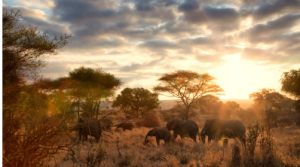
Low season or green season packages spanning March through May deserve serious consideration from flexible travelers despite rain season designations. The dramatic cost reductions frequently reaching 60-75% below peak rates make luxury lodges accessible at mid-range budgets while enabling significantly extended safari durations. The landscape metamorphosis into lush greenery with dramatic cloud formations creates stunning photographic conditions with vibrant colors. Concentrated birthing periods attract predators creating dynamic hunting scenarios, while migratory bird arrivals add spectacular avian dimensions unavailable during dry months. Rainfall typically occurs in afternoon thunderstorms lasting one to three hours rather than continuous precipitation, leaving mornings clear for highly productive game drives with excellent visibility.
Shoulder season packages during January, February, and November provide strategic compromise positions with moderate pricing, favorable weather probability, and substantially reduced tourist density compared to peak months. These transitional periods deliver much of high season’s advantages regarding reliable wildlife viewing while avoiding extreme crowding and premium pricing. Shoulder seasons particularly suit budget-conscious travelers seeking value without excessive weather risk, those unable to book far enough ahead for peak season preferred properties, or travelers who prioritize more intimate wilderness experiences over absolute weather guarantees. Some operators structure promotional pricing during shoulders, offering complimentary nights, activity upgrades, or room category improvements.
Group Structure and Social Dynamics
Shared or join-in safari packages connect individual travelers or small parties with others forming cost-efficient groups typically numbering four to eight participants. These arrangements dramatically reduce per-person expenses by distributing vehicle costs, guide fees, and operational overhead across multiple travelers. Shared packages work exceptionally well for solo travelers seeking companionship and shared enthusiasm, budget-conscious parties prioritizing affordability over complete privacy, and sociable individuals who enjoy meeting diverse international travelers. The social dynamics often enhance overall experiences as participants from varied backgrounds share excitement over wildlife encounters, exchange travel stories during meals, and sometimes form lasting friendships. Trade-offs include reduced schedule flexibility since itineraries must accommodate group consensus, potential personality conflicts requiring patience, and stopping durations at sightings representing averages rather than individual preferences.
Small group packages limiting participants to four or five create semi-private experiences with dedicated vehicles providing more personal space and flexibility while maintaining cost efficiency through modest group size. These arrangements suit small parties of friends or family wanting exclusivity within their group without bearing full private package costs or requiring complete isolation from others. The configuration balances personalized guide attention and itinerary flexibility with reasonable per-person pricing by spreading fixed costs across known companions rather than mixing with strangers or shouldering entire expenses alone. Vehicle comfort improves dramatically with reduced passenger counts enabling easier movement for photography and superior viewing angles.
Private safari packages provide complete independence with exclusive vehicles, personal guides, and entirely customized itineraries tailored precisely to participant interests, fitness levels, and pacing preferences. This total exclusivity appeals to honeymooners wanting romantic privacy without other travelers, families with young children needing flexible scheduling around nap times and energy fluctuations, serious photographers requiring patient hours at interesting sightings, or travelers who simply value complete control over every experience element from departure times to lunch locations. Substantial cost premiums reflect that all expenses fall exclusively on your party rather than spreading across larger groups, but flexibility and personalization often justify premiums for travelers prioritizing independence.
Pre-Departure Preparations
Comprehensive travel insurance represents essential protection for safari investments frequently exceeding $5,000-15,000 for couples. Appropriate policies must encompass emergency medical treatment including helicopter evacuations from remote wilderness to quality facilities potentially costing $50,000+ without coverage, trip cancellation for unforeseen circumstances like illness or family emergencies, trip interruption if you must return home early, medical evacuation coverage specifically addressing African wilderness contexts, baggage loss or substantial delay, and personal liability. Standard travel insurance often excludes adventure activities or remote destinations, requiring specialized policies explicitly covering African safari parameters including game drives and walking safaris.
Health preparations require consulting travel medicine specialists six to ten weeks before departure for personalized recommendations based on individual health profiles and specific itinerary details. Yellow fever vaccination certificates are mandatory only when arriving from endemic countries, though vaccination is often recommended regardless since Tanzania has potential transmission. Malaria prophylaxis receives strong recommendations for safari areas, with medication options including Malarone, doxycycline, or Lariam depending on individual tolerances and health histories. Routine vaccinations should be current with additional immunizations like hepatitis A and B, typhoid, tetanus, and rabies commonly recommended though not required.
Packing strategies for safaris balance clothing needs with strict luggage restrictions, particularly for fly-in packages limiting bags to 15 kilograms in soft-sided duffels. Essential items include neutral-colored clothing in khaki, olive, or beige avoiding bright colors that may disturb wildlife, lightweight layers accommodating temperature fluctuations from cold mornings to hot middays, warm fleece or jacket for early game drives, comfortable closed-toe walking shoes, sun protection including wide-brimmed hat and quality sunglasses, comprehensive first aid kit with prescription medications, insect repellent with DEET, quality binoculars significantly enhancing wildlife viewing, camera equipment with extra batteries and memory cards, and headlamp for navigating camps at night.
Conclusion
Tanzania safari packages represent complex travel products whose ultimate value transcends accommodation luxury or simple pricing comparisons. The most transformative packages integrate exceptional guide expertise bringing ecosystems alive through deep knowledge and engaging interpretation, strategic logistics maximizing productive wildlife viewing time while minimizing unproductive driving, thoughtful pacing maintaining engagement without exhaustion, and countless operational details creating comfort and convenience throughout journeys. These integrated elements produce satisfaction levels justifying substantial financial investments and extensive international travel.
Successful package selection demands disciplined evaluation examining operational fundamentals beyond attractive marketing. Verifying guide credentials and experience, assessing vehicle specifications and maintenance standards, confirming strategic accommodation positioning, and researching operator reputations through independent sources creates foundations for experiences exceeding expectations. The time invested in thorough comparison, detailed inclusion examination, and honest priority assessment prevents costly misalignments between promises and delivery.
Understanding seasonal impacts on pricing and experiences, recognizing accommodation location importance, appreciating activity diversification benefits, and comprehending flexibility parameters enables informed decision-making. Tanzania’s exceptional biodiversity, conservation commitment, and tourism infrastructure ensure well-selected packages deliver world-class wildlife viewing across budget levels. Whether camping under stars, relaxing in comfortable lodges, or indulging in luxury, witnessing magnificent wildlife creates profound memories enduring throughout lifetimes, inspiring conservation awareness and fostering connections with wilderness increasingly rare in our developed world.
Key Takeaways
- Package quality depends on integrated operational excellence across guides, vehicles, and accommodations rather than single luxury elements, requiring comprehensive evaluation beyond marketing materials
- Guide expertise represents the critical satisfaction factor, transforming passive viewing into engaging education through superior knowledge, observation skills, and communication abilities
- Accommodation location relative to wildlife areas equals luxury importance, with inside-park properties providing hours more viewing time than distant lodges requiring lengthy access drives
- Seasonal timing creates 60-75% pricing variations, with green season offering dramatic landscapes, wildlife birthing, fewer tourists, and substantial savings for weather-flexible travelers
- Optimal package duration spans 5-8 days for comprehensive northern circuit exploration, balancing thorough wildlife exposure with practical vacation parameters
- Private packages deliver complete flexibility at premium costs while shared packages reduce expenses through cost-sharing and create social dimensions benefiting solo travelers
- Comprehensive travel insurance covering medical evacuation, thorough operator vetting, and secure payments provide essential financial protection for substantial safari investments
Frequently Asked Questions
What represents the biggest value differentiator between similarly priced safari packages?
Guide quality represents the single most significant value differentiator between comparably priced packages. Two mid-range packages costing $600 daily with identical accommodation standards can deliver vastly different experiences based solely on guide expertise. Exceptional guides with 15+ years experience possess remarkable wildlife knowledge, superior observation skills spotting distant animals, behavioral interpretation predicting actions, and engaging communication making ecology accessible. They position vehicles optimally, anticipate wildlife movements, and transform ordinary sightings into extraordinary learning experiences. Conversely, recently qualified guides may struggle identifying species beyond common animals and miss behavioral cues veterans recognize instinctively. When comparing packages with similar accommodations and pricing, investigate guide qualifications intensely through reviews specifically mentioning guide performance, requesting information about training programs, and asking about average guide experience levels.
How can I verify safari operator legitimacy and avoid problematic companies?
Verify operator legitimacy through multiple independent sources rather than relying on company websites alone. Confirm registration with Tanzania Tourist Board and active TATO (Tanzania Association of Tour Operators) membership indicating adherence to industry standards. Research extensively on independent platforms like SafariBookings, TripAdvisor, and specialized safari forums, examining patterns across numerous recent reviews rather than isolated extremes. Request specific accommodation names enabling independent property research rather than accepting vague quality descriptions. Ask detailed questions about emergency protocols, vehicle maintenance schedules, guide qualifications, and cancellation policies, with professional operators answering confidently while problematic ones deflect. Request recent client references and actually contact them about their experiences. Verify physical offices and owned vehicle fleets rather than purely virtual operations. Pay deposits via credit card when possible for chargeback protection. These verification steps substantially reduce risks of disappointing experiences or deposit losses to failed operators.
Should I book safari packages independently or through travel agents?
This decision depends on your research comfort level, time availability, and risk tolerance. Direct booking with reputable Tanzanian operators typically provides 10-20% better value by eliminating intermediary commissions while supporting local businesses and enabling direct communication with actual service providers. Experienced travelers comfortable with overseas transactions and willing to invest research time often prefer direct arrangements. However, specialized travel agents offer valuable services including operator vetting based on established relationships, professional itinerary optimization, simplified logistics coordination for complex trips, and established recourse mechanisms when problems arise. First-time safari travelers, those uncomfortable evaluating foreign operators, travelers with limited planning time, or those booking complex multi-country itineraries often find agent fees worthwhile for peace of mind and expertise. Consider direct booking if you’re research-oriented and experienced, or agents if you prefer professional guidance and additional security layers.
What should I budget beyond package costs for complete safari expenses?
Budget 30-40% above package rates for typical additional expenses. Tipping constitutes major additions: $25-35 daily per person for guides, $10-15 for lodge staff, totaling approximately $245-350 per person for week-long safaris. Optional activities like hot air balloon safaris cost $500-600, cultural visits $50-100, night drives $50-80. Alcoholic beverages excluded from most packages run $8-15 per drink, potentially adding $150-300 weekly for moderate drinkers. Tanzania visa fees cost $50-100 depending on nationality. Travel insurance typically runs 5-8% of total trip costs. Personal items including sunscreen, medications, souvenirs add $100-200. Safari areas have extremely limited ATM access, so bring sufficient US dollar cash or ensure credit cards work internationally. For a $4,000 per person package, budget an additional $1,200-1,600 for comprehensive expenses ensuring you’re not caught short in remote areas.
Can budget safari packages provide satisfying experiences comparable to luxury offerings?
Budget packages absolutely provide satisfying and often equally memorable experiences since wildlife viewing quality depends primarily on park access and guide competence rather than accommodation luxury. Animals behave identically regardless of where observers sleep, and budget travelers visit the same spectacular parks as luxury guests. The core wildlife encounters that create lasting memories occur during game drives, not in accommodations. Many experienced safari veterans actually prefer budget camping for authentic bush atmosphere despite having resources for luxury. However, this requires honest self-assessment about minimum comfort requirements. If basic facilities genuinely make you miserable, that discomfort diminishes enjoyment regardless of wildlife quality. Consider what matters most: if wildlife encounters are your sole priority and you can happily accept ground-level tents and shared bathrooms, budget packages deliver extraordinary value. If comfort significantly impacts your overall happiness, invest in mid-range accommodations balancing reasonable comfort with extended safari duration.
What time of year offers the absolute best overall value for safari packages?
April and May represent optimal overall value periods, offering 60-75% discounts from peak season rates while maintaining good wildlife viewing and delivering unique advantages unavailable during dry months. While classified as “long rains,” rainfall typically occurs in afternoon thunderstorms leaving mornings clear for productive game drives. The dramatic cost reductions make luxury lodges accessible at budget prices, enabling couples to afford private guides and premium properties otherwise beyond reach. The lush green landscapes create stunning photographic conditions with dramatic skies and vibrant colors. Wildlife birthing periods attract predators creating dynamic hunting scenarios. Migratory bird arrivals add spectacular avian dimensions. Most significantly, minimal tourist presence creates exclusive experiences with sometimes being the only vehicle at exceptional sightings. For flexible travelers accepting some weather uncertainty, April-May delivers the best combination of cost savings, unique experiences, and uncrowded viewing, representing exceptional value unavailable during popular dry season months.
How do I handle situations where delivered experiences fall significantly short of package promises?
Address discrepancies immediately with guides or lodge management rather than waiting until after your safari when resolution becomes exponentially more difficult and often impossible. Clearly articulate specific concerns referencing original package confirmation documents and highlighting exact discrepancies. Document problems comprehensively with dated photographs, detailed written notes describing issues, and ideally written acknowledgment from staff about problems. Professional reputable operators typically resolve legitimate complaints quickly through compensatory arrangements like complimentary additional game drives, upgraded accommodations, activity additions, or future credit vouchers. Maintain calm professional demeanor since aggressive confrontation often produces defensive responses rather than solutions. If immediate resolution proves impossible, preserve all documentation and file formal detailed written complaints immediately upon returning, sending copies to operators, booking agents if used, credit card companies if charging back, and Tanzania Tourist Board. Credit card chargebacks work for substantial breaches but should be final recourse after exhausting direct resolution. Prevention through careful operator selection and detailed written contracts remains vastly preferable.
What physical fitness level do safari packages realistically require?
Standard vehicle-based safari packages accommodate most fitness levels since game drives involve primarily sitting while vehicles traverse terrain. However, several considerations merit attention. Climbing into high safari vehicles requires reasonable mobility and may challenge those with significant knee or hip issues, though some operators maintain vehicles with lower entry points. Rough terrain creates bouncing and jostling requiring core stability and tolerance for prolonged sitting on sometimes bumpy roads. Walking safari packages demand moderate to good fitness for several hours hiking in heat, sometimes through challenging terrain, though guides adjust pacing to group capabilities. Age alone doesn’t determine suitability, as many elderly travelers successfully complete safaris while some younger individuals struggle with early morning departures and extended vehicle time. Honestly assess your mobility, sitting tolerance, and adaptability to basic conditions when selecting packages. Discuss specific limitations with operators during planning, requesting appropriate accommodations like accessible rooms, modified vehicles, or adjusted activity levels ensuring everyone enjoys experiences comfortably.